
Smart Home / Control
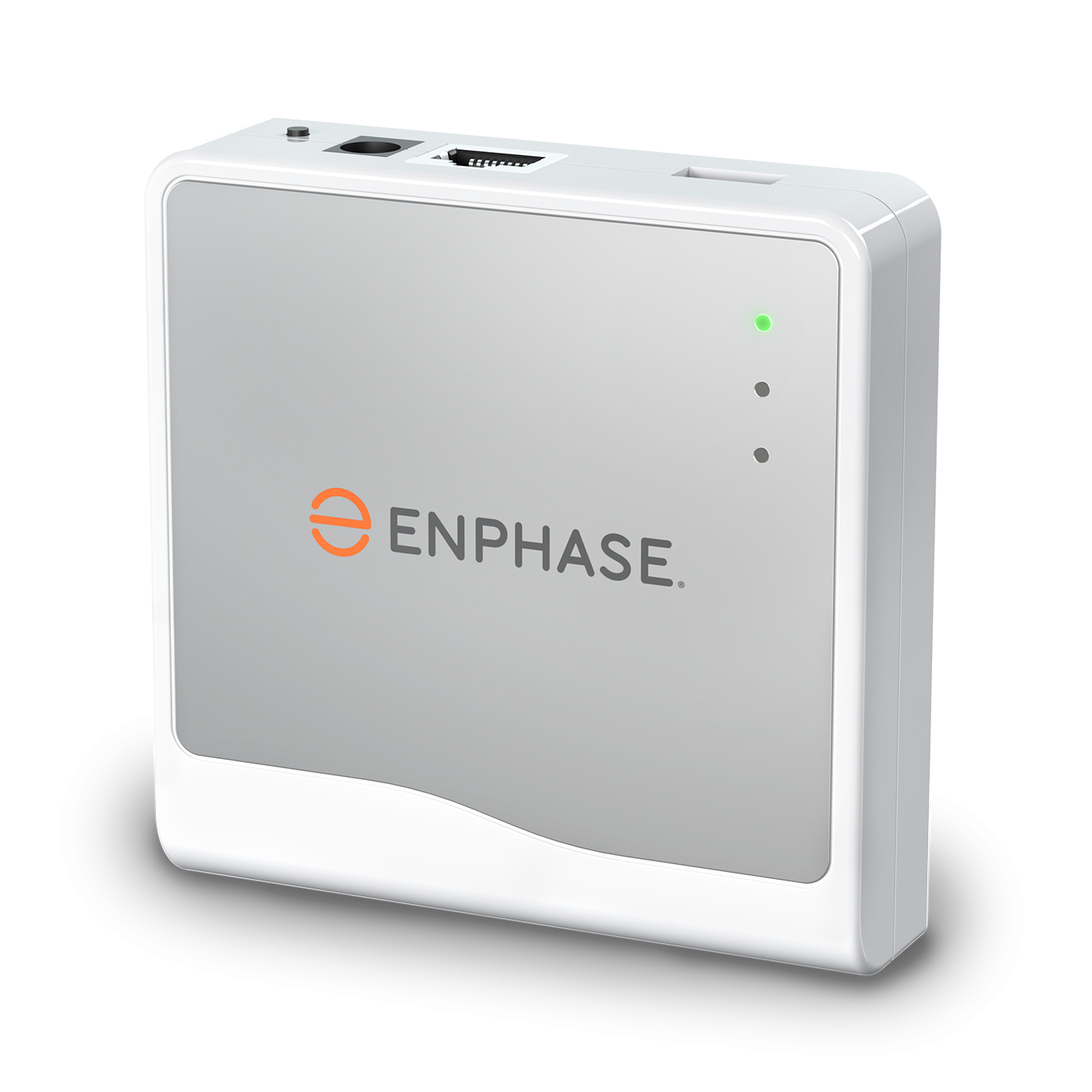
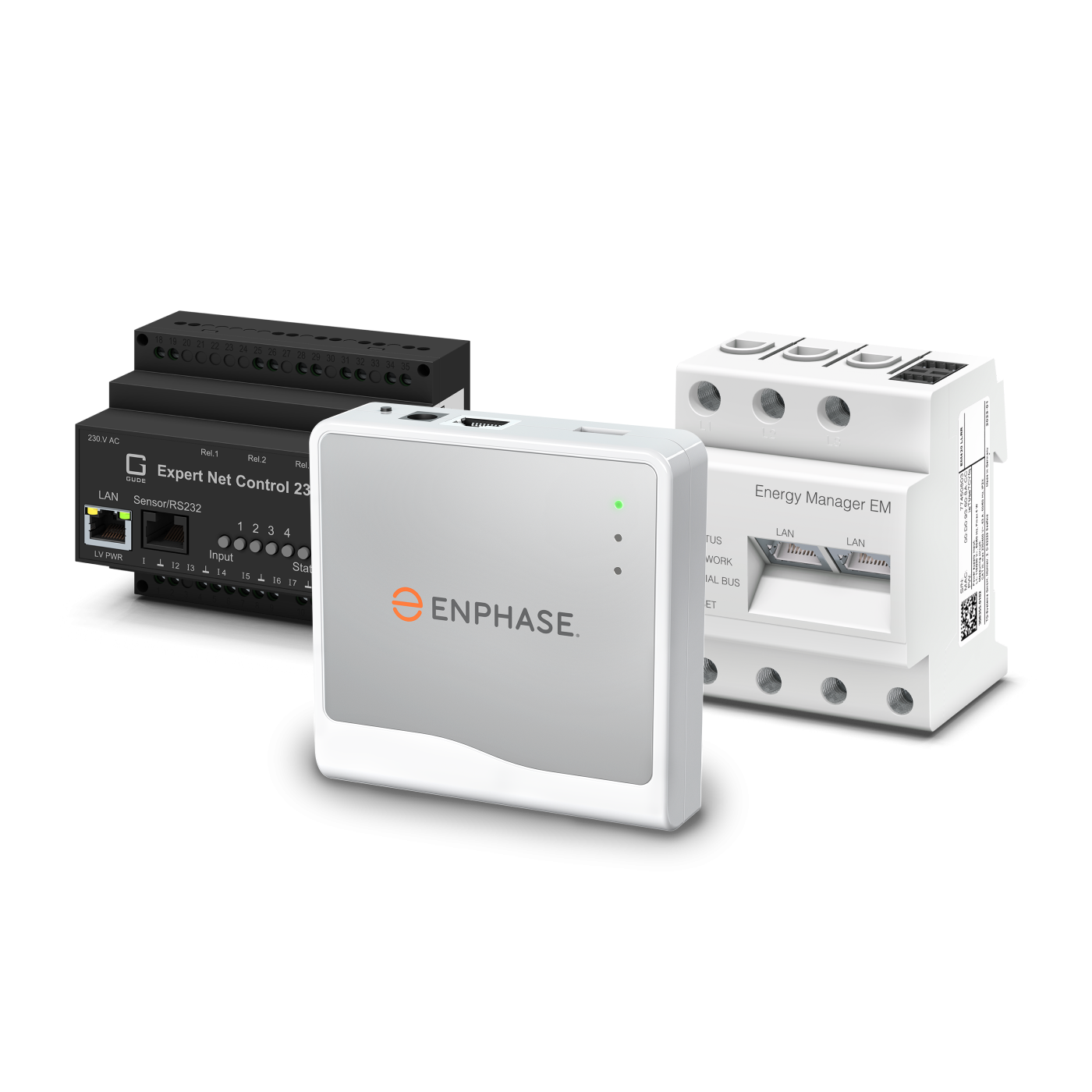
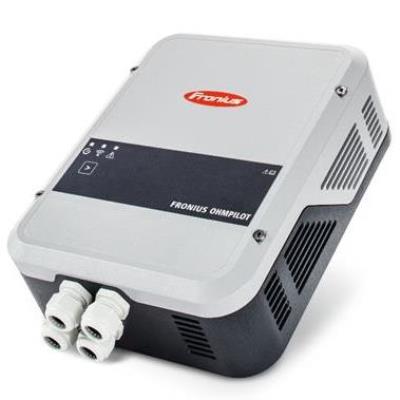
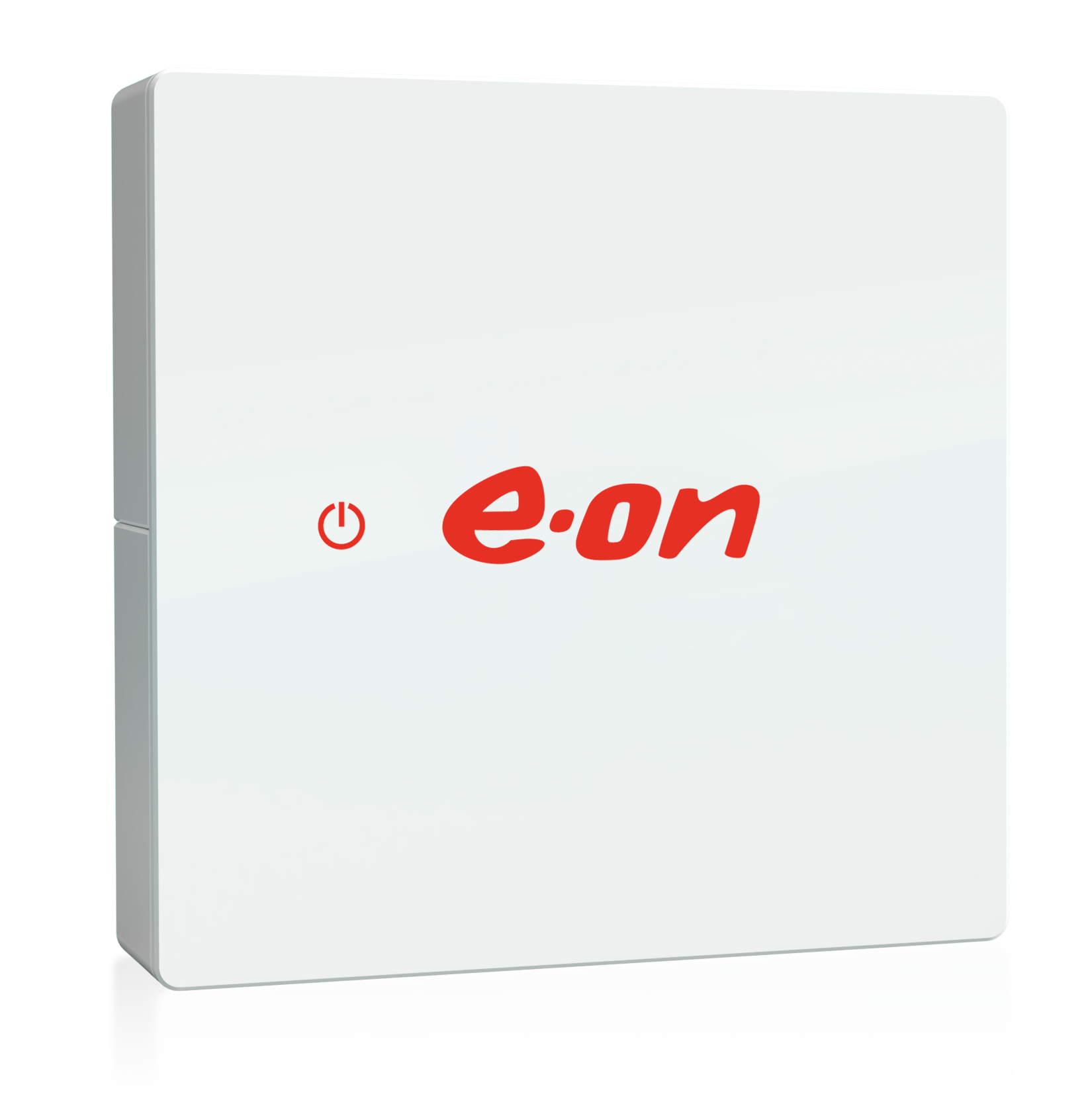

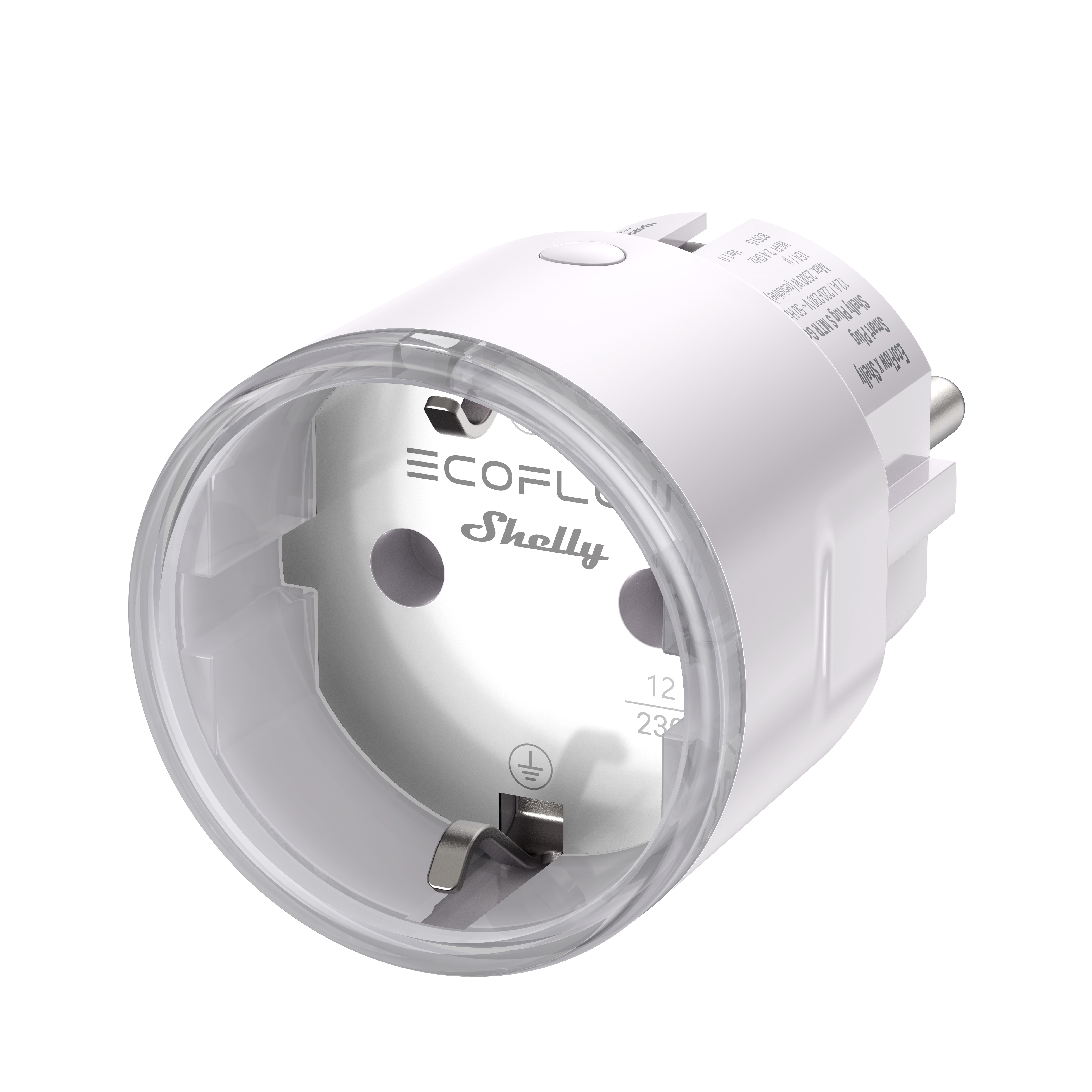
Manufacturers such as Enphase, Fronius, SolarEdge, EcoFlow and e.on offer integrated control and smart home solutions for PV systems. These product families stand out for their high efficiency, reliable performance, safety functions and modular expandability. Typical applications are residential buildings, commercial properties and small industrial facilities. They enable load management, battery interfaces and system monitoring.
Control Solutions for PV Systems and Energy Systems
These systems optimize self-consumption, smooth load peaks, control consumer devices and integrate battery storage as well as generation data into a central management platform. Benefits include reduced grid draw costs, improved grid stability, automated load prioritization and easy integration into existing building or energy management systems.
The Smart Home / Control Energy Management Products at a Glance
- Enphase IQ Energy Router+ HEMS-HP-01 — Central energy router for optimizing PV, battery and heat pumps; suitable for residential and commercial projects.
- Fronius Ohmpilot 9.0-3 Heizstabregler — Efficient use of excess energy for hot water and heating systems; ideal for reducing grid draw costs.
- e.on Home Energiemanager Box — Compact energy management for single- and multi-family homes; seamless integration of meters, PV and storage, cloud-capable.
- EcoFlow PowerInsight 2 — Gateway for real-time monitoring and remote diagnostics; supports reporting and system analysis for operators and service partners.
Features of Modern Smart Home / Control Systems
Technically, these solutions are based on real-time metering technology, bidirectional communication (ZigBee, Modbus, MQTT, WLAN) and adaptive control algorithms for battery and load optimization. Safety-relevant aspects include standards compliance (VDE/IEC), protective functions and fault monitoring. Efficiency gains are achieved through prioritized load control, smoothing and intelligent interfaces; robust hardware, regular firmware updates and a modular architecture increase service life and reliability.