Overvoltage Protection for PV Systems

Manufacturers such as KOSTAL, SolarEdge and Fronius supply specialized overvoltage protection modules for photovoltaic and energy systems. These product families stand out for their high reliability, fast discharge capability and easy integration into inverters and DC lines. Typical features include protection classes Type 1–3, modular design and certified safety standards. Applications range from residential installations to commercial rooftop and ground-mounted systems as well as battery storage.

How Overvoltage Protection Modules Work and Where They Are Used

Overvoltage protection modules protect sensitive PV system components from transient overvoltages caused by lightning strikes or switching operations. In practice, they increase system availability, reduce failure risks and extend the service life of inverters and storage systems. Typical installation points are DC strings, feed-in points and battery connections. Benefits include standards-compliant safety, lower maintenance costs and improved system protection over the entire operating life.

Overvoltage Protection Modules at a Glance

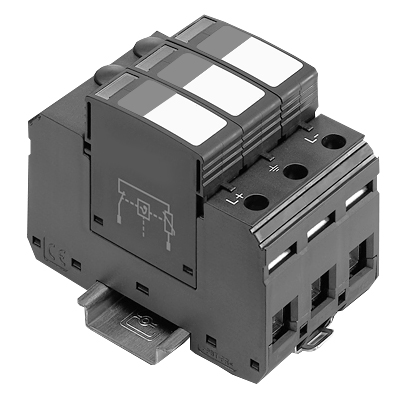
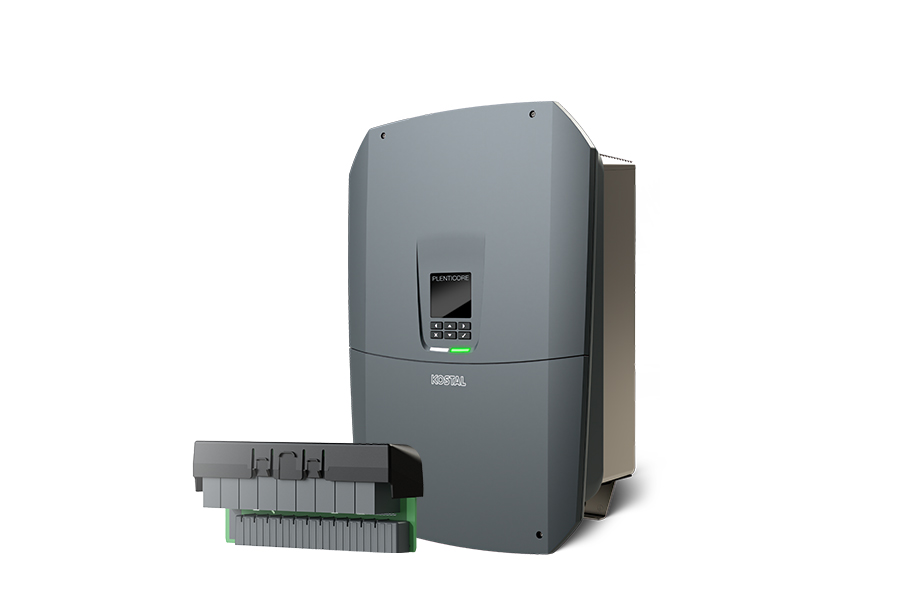
  • KOSTAL DC overvoltage protection module G3 – For string and residential systems; robust design and easy installation in KOSTAL inverter environments.
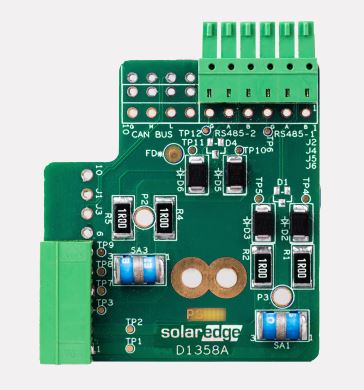
  • SolarEdge RS485 overvoltage protection module – Add-on for SolarEdge systems; combines protection with a communication interface for monitoring and diagnostics.
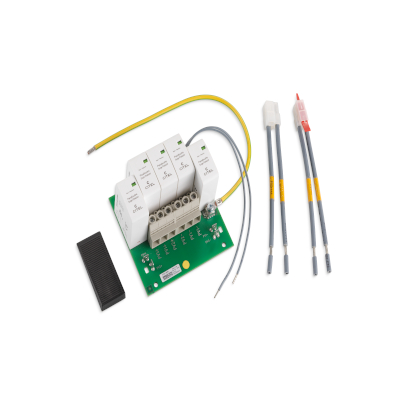
  • Fronius overvoltage protection DC SPD Type 1+2 GEN24 – Integrated solution for Fronius GEN24 inverters; wide-range protection with combined Type 1/2 functionality.

Modern Overvoltage Protection Solutions for Safe Energy Systems

Typical technology includes varistors (MOVs), gas discharge tubes and coordinated SPD combinations for Type 1 to Type 3. Key parameters include peak discharge current (kA), response time, residual voltage and service life cycles. High-quality modules offer thermal fuses, visual status indicators and easy replaceability. Efficient protection is achieved through coordinated protection stages that divert disturbances without affecting control or monitoring functions.