
Fireman's circuit breaker
In transit
In transit
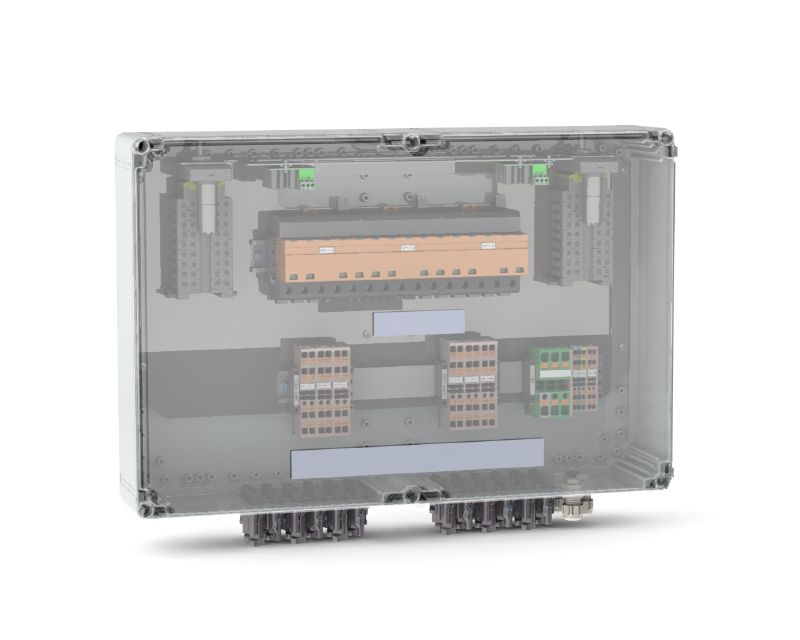
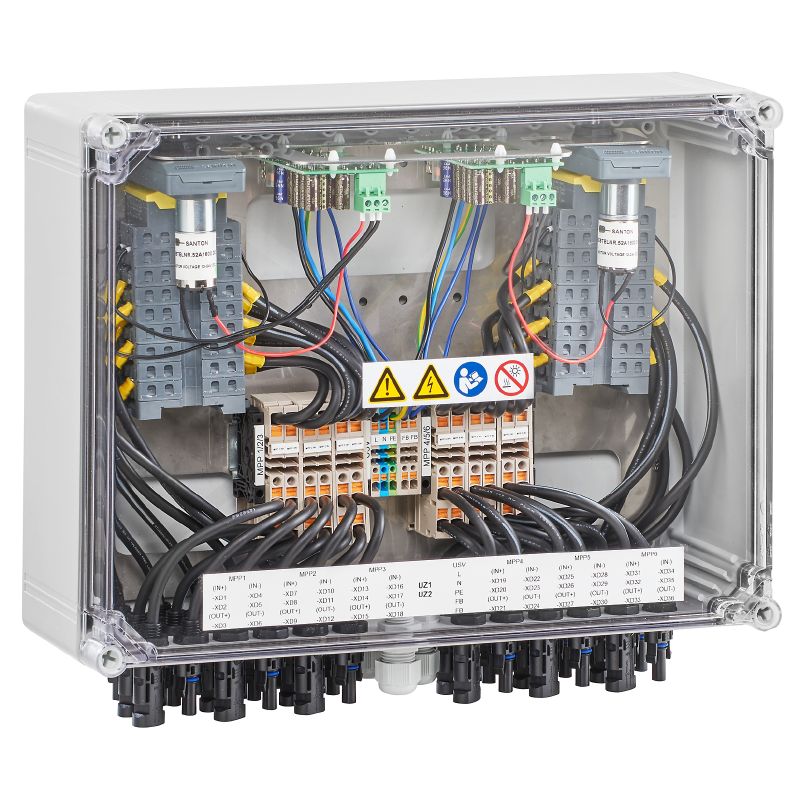
In transit
Weidmüller is one of the established manufacturers in the field of electrical connection technology and offers specialized fire brigade disconnect switches for photovoltaic systems. This product family stands out for its high operational reliability, modular design and integrated shutdown functions. Efficiency and durability are just as important for use in residential buildings as in commercial roofs and ground-mounted systems. Typical applications range from single-family homes to commercial buildings and medium-sized solar parks.
Applications and Benefits of Fire Brigade Disconnect Switches
Fire brigade disconnect switches enable the safe and rapid decoupling of PV strings or arrays in the event of fire or maintenance work. They increase safety for emergency responders, reduce fire risks through arc-free disconnection, and simplify service work. Combined with remote shutdown and monitoring functions, they support effective energy management and integration into intelligent system controls. This improves availability and ease of maintenance in both commercial and residential operation.
Our Fire Brigade Disconnect Switches at a Glance
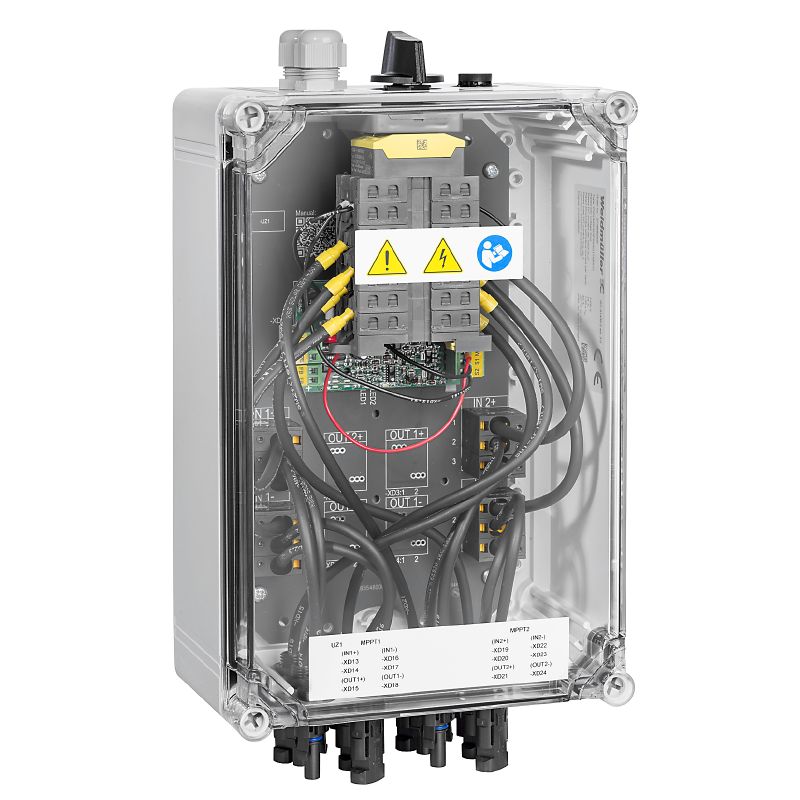
- Weidmüller Feuerwehrschalter 1100V, 2 MPP, Fernabschalter, WM4C — Compact solution for residential buildings and smaller commercial systems; easy integration into string layouts.
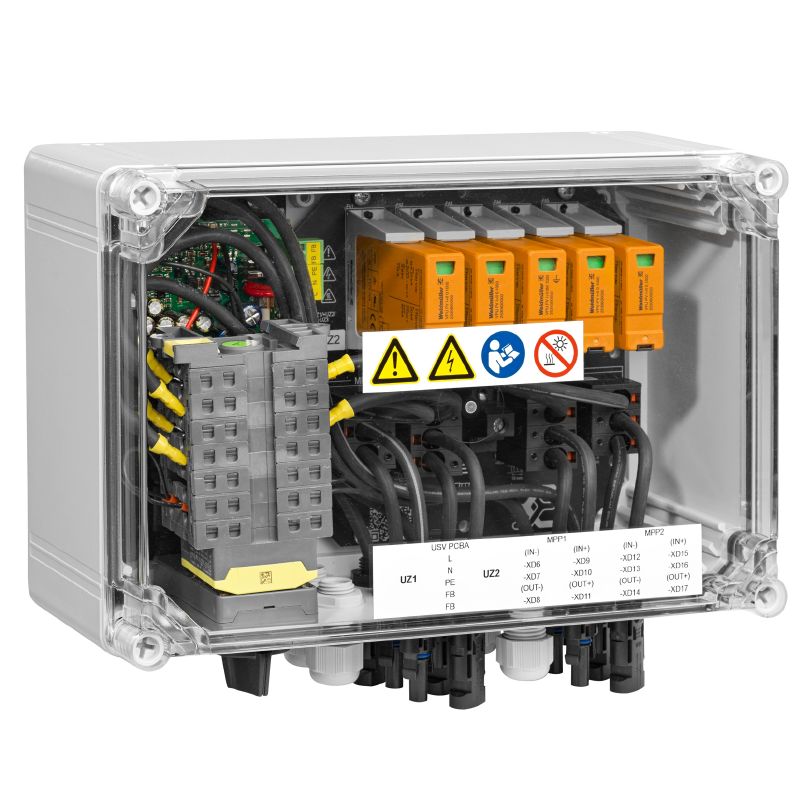
- Weidmüller Feuerwehrschalter 1100V, 4 MPP, ÜSS I / II, Fernabschalter, WM4C — Ideal for medium-sized rooftop systems; offers extended protection and monitoring functions for higher system availability.
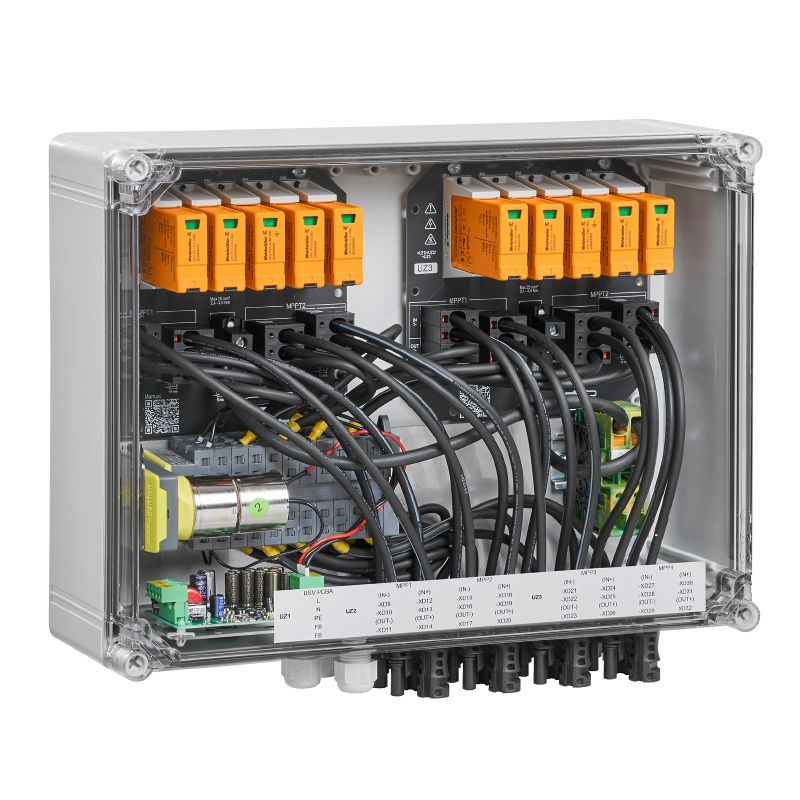
- Weidmüller Feuerwehrschalter 1100V, 6 MPP, ÜSS I / II, WM4C — For larger commercial installations and dense string configurations; high connection capacity and robust hardware for demanding operating conditions.
Technical Features of Fire Brigade Disconnect Switches
Typical features include rated voltages up to 1100 V DC, multiple MPP inputs for string separation, remote shutdown capability and optional protection stages (ÜSS) for extended diagnostics. The technology is based on fast switching mechanisms and protected contacts to avoid arcing and maximize service life. Standardized interfaces allow control to be integrated into PV inverters, inverter management and building control systems. Reliability, low maintenance effort and support for efficient energy management are the primary focus.