
Solar cable / system cabling
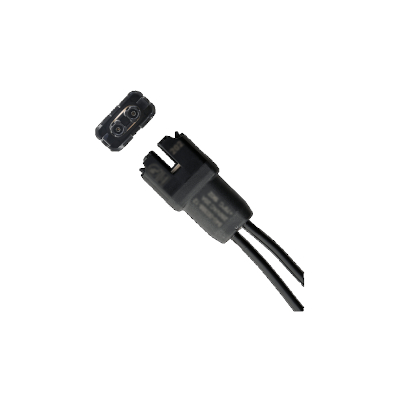
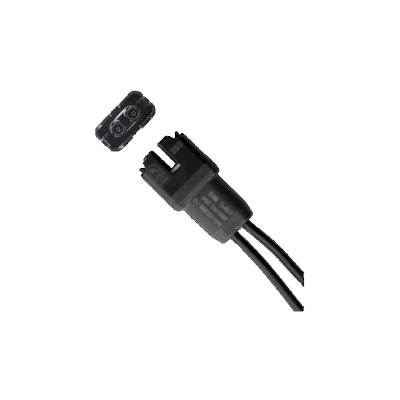
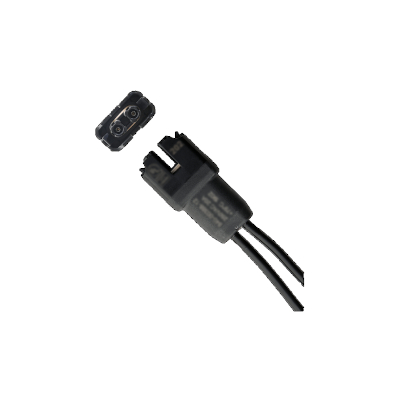
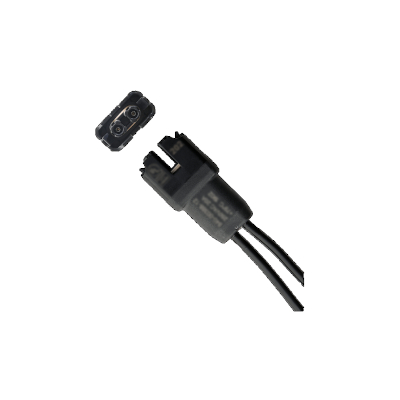
| Phases | 1 |
|---|
Available immediately
| Phases | 3 |
|---|
Available immediately
| Phases | 3 |
|---|
Available immediately
| Phases | 3 |
|---|
Available immediately
| Storage Type | Zubehör |
|---|
Available immediately
| Storage Type | Zubehör |
|---|
Available immediately
| Storage Type | Zubehör |
|---|
Available immediately
Our cables and system wiring segment supplies certified cables and pre-assembled cable sets for PV systems and energy storage. This product family stands out for its high conductivity, weather-resistant insulation (H1Z2Z2-K), low losses and long service life. Typical applications range from residential complexes and single-family homes to commercial roofs, storage connections and commercial solar parks.
High-Performance Solar Cables for Safe System Wiring
These cables offer reliable DC current characteristics, UV- and ozone-resistant insulation, and high temperature and aging resistance. They are suitable for string-side wiring, busbars and DC connections to inverters or battery systems. Benefits include reduced line losses, easy processing on-site and compatibility with commonly used connectors and inverters.
Our Cables / System Wiring at a Glance
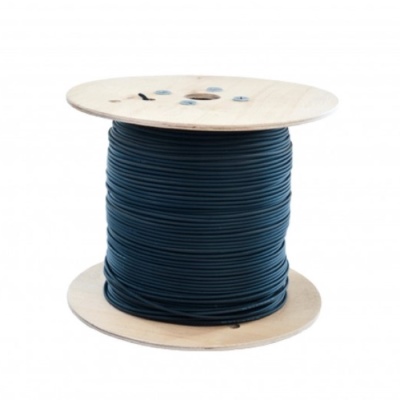
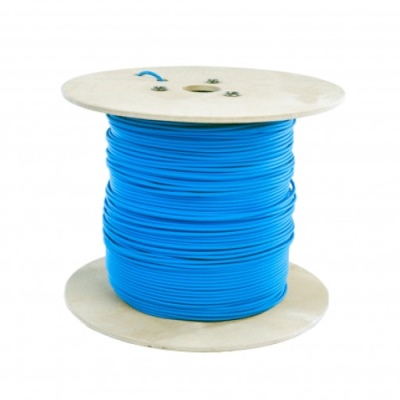
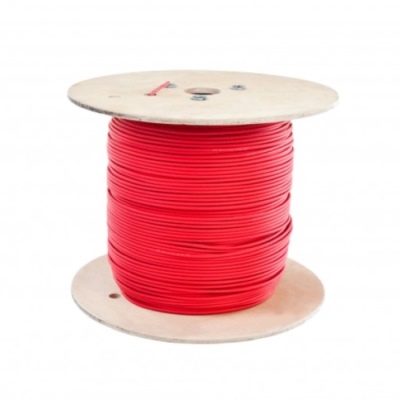
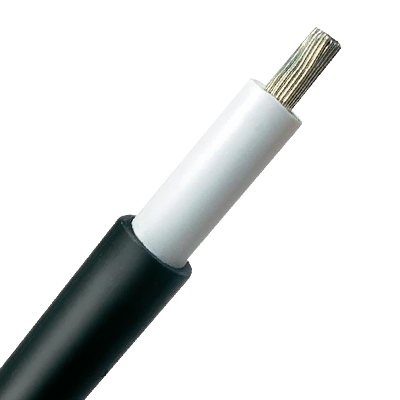
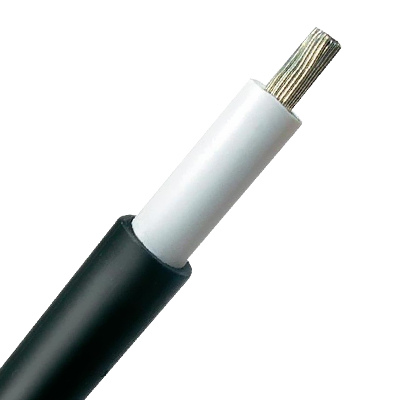
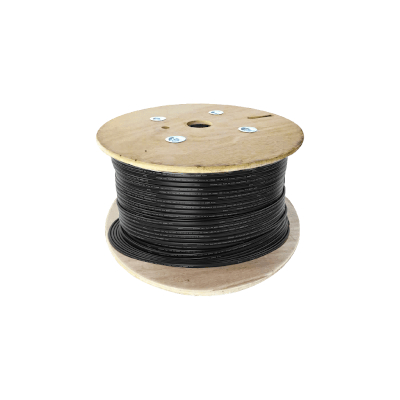
- DC-Solarleitung 1x6mm² (H1Z2Z2-K, 100m/500m): Standard string cable for module-to-string connections – flexible, UV-stable and economical for roof installations.
- DC-Solarleitung 1x35mm² (H1Z2Z2-K, laufender Meter): High-current cable for batteries and main runs – low line losses for long DC connections.
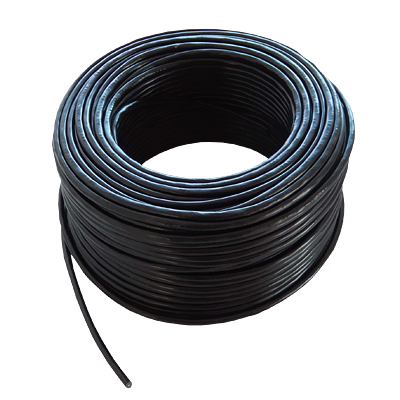
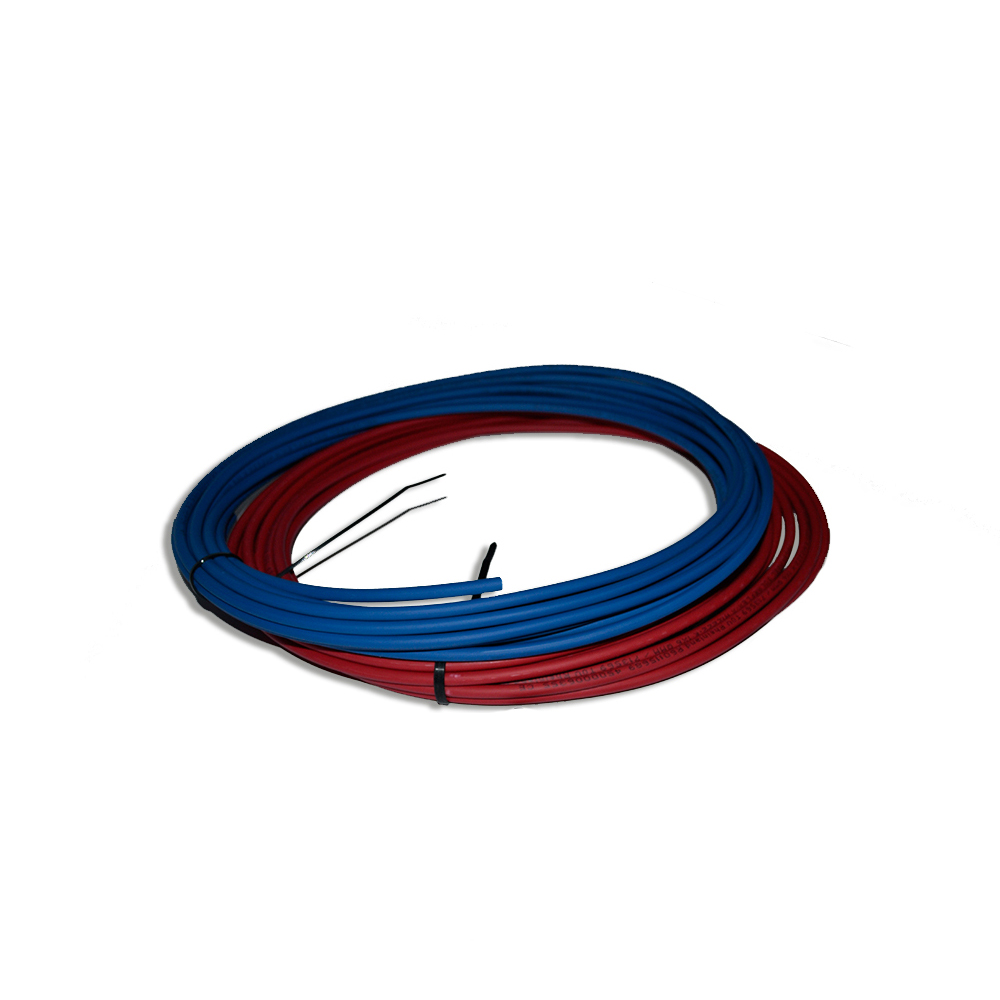
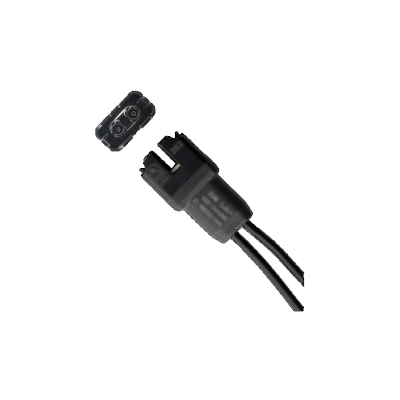
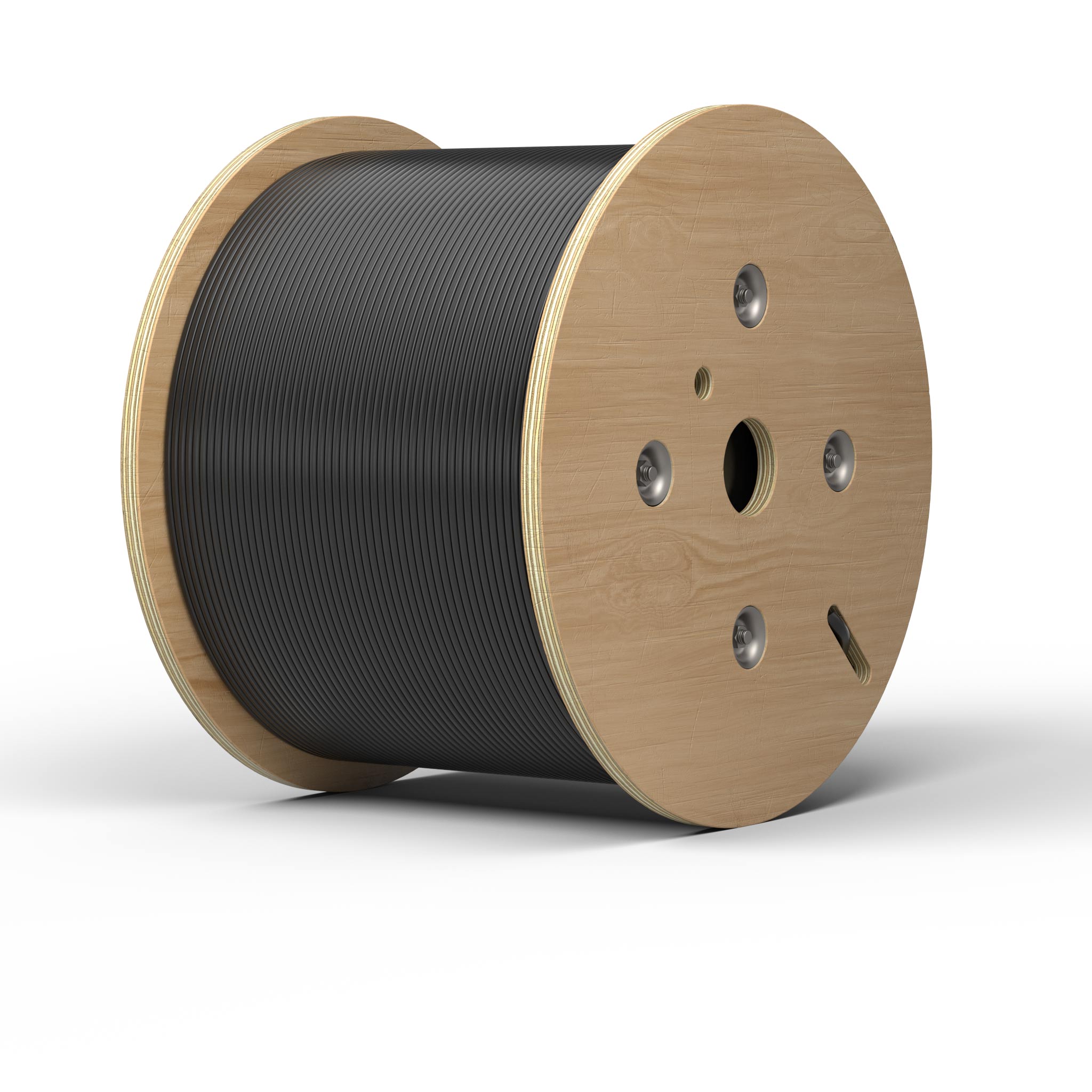
- Enphase IQ Kabel Q-25-RAW-3P (3-phasig, 100m): Bulk cable for microinverter trunks and collector runs; certified material for Enphase systems.
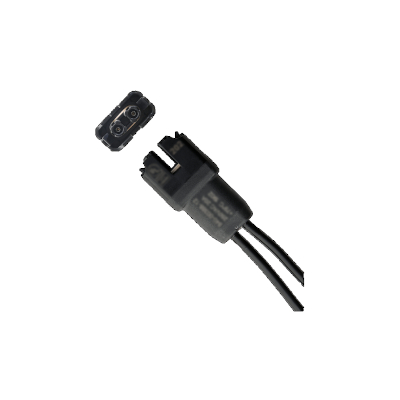
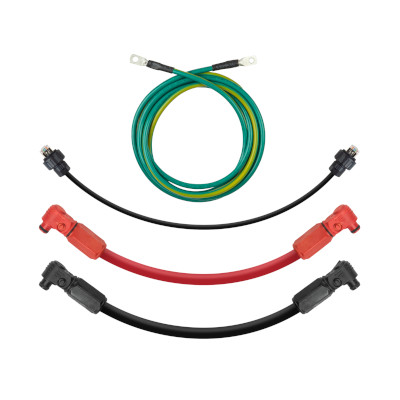
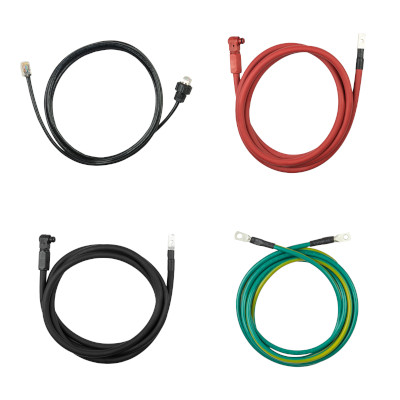
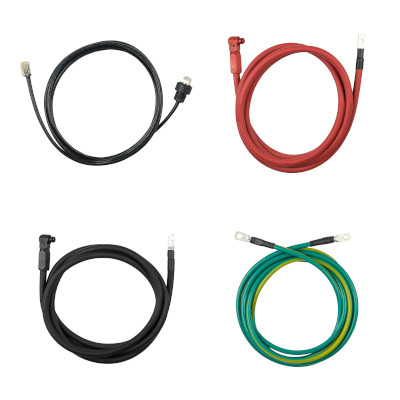
- SolarEdge Kabelsatz Batterie-zu-Batterie Home (57cm): Pre-assembled low-voltage connection set for fast, secure battery-to-battery parallel connections in SolarEdge Home systems.
Technical Fundamentals and Features
Typical solar cables are single- or multi-stranded with halogen-free, UV-stable H1Z2Z2 insulation. Sizing (cross-section) determines line losses and thermal load capacity; correct selection ensures efficiency and service life. Safety aspects: temperature-resistant materials, flame-retardant classes, mechanical robustness and certified continuity through to the inverter. For energy management and reliability, compatibility with plug systems, correct cross-section and fuse planning, and durable insulation are decisive.