
Heating elements (heat pump)
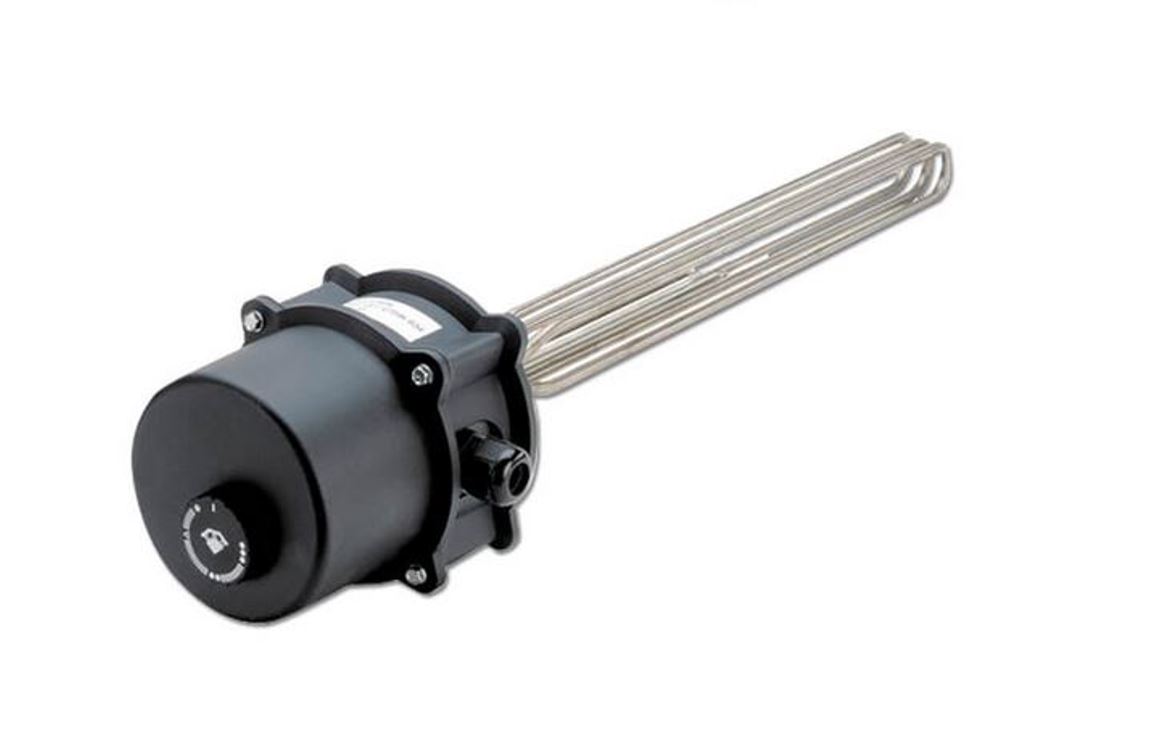
Manufacturers such as Fenecon, LG and EcoFlow offer specialized heating elements for thermal storage and PV-coupled energy systems. This product family impresses with high efficiency, robust design, safety functions and various power levels. Typical features include modular integration, low maintenance requirements and compatibility with energy management systems. Applications range from single-family homes to multi-family buildings and commercial PV storage and industrial applications.
Heating Elements for PV Systems and Energy Storage
Heating elements enable the direct conversion of excess PV power into heat for storage, domestic water heating or process heat. They offer benefits such as grid-supportive load management (load balancing, feed-in minimization), easy controllability and high efficiency levels. In commercial projects, they serve as a redundant heat source or a cost-effective addition to heat pumps; in residential settings, they ensure hot water and seasonal storage. Robustness and integrated safety functions minimize downtime and service effort.
Our Heating Elements at a Glance
- Fenecon Heizstab 6 kW — Specifically designed for Fenecon storage systems; high compatibility with battery systems and inverters.
- LG THERMA V Heizstab 400V 3-phasig, 6 kW — High-performance 3-phase heating element for larger storage systems and commercial applications.
- LG THERMA V Heizstab 230V 1-phasig, 3 kW — Single-phase solution for single-family homes and smaller storage systems as backup or supplementary heating.
- EcoFlow PowerGlow Smart Heizstab 6 kW — Smart-capable heating element with load-driven control and good inverter integration for flexible control.
Technical Features of Heating Elements
Heating elements operate as electric immersion heaters with corrosion-resistant heating coils in protective tubes; typical materials are stainless steel or Incoloy. Electrical energy is converted into heat with almost no losses (very high efficiency). Safety features include temperature limiting, dry-run protection, ground fault monitoring and an appropriate protection rating (IP). Modern designs support modulated switching, communication interfaces for EMS integration, and are designed for a long service life with minimal maintenance effort.